Using Colors and Typography to Strengthen Your Brand
Your brand is often the first impression customers have of your business, and visual design plays a major role in shaping that impression. Colors and typography are much more than simple design choices—they help communicate your brand personality, build trust, and influence how customers feel about your business.
When visitors land on your website, they quickly form opinions based on what they see. In fact, strong visual branding can help people remember your business, stay longer on your website, and feel more confident about working with you. That is why choosing the right colors and fonts is such an important part of your marketing strategy.
The Power of Color Psychology
Colors create emotional responses almost instantly. Because of this, choosing the right color palette can help your business send the right message before a visitor even reads a single word.
For example, blue often represents trust, professionalism, and reliability. This is why many financial institutions, healthcare providers, and corporate businesses use blue in their branding. On the other hand, red creates energy, urgency, and excitement, while orange feels friendly, enthusiastic, and creative.
Green often suggests growth, health, and nature, making it popular for wellness brands and environmentally focused businesses. Black can create a sense of luxury and sophistication, while white supports simplicity and cleanliness.
However, the best color choices depend on your audience and industry. A law firm may benefit from strong, professional tones, while a children’s activity center may perform better with bright and playful colors.
Most importantly, your color palette should remain consistent across your website, logo, social media, print materials, and advertising campaigns.
Why Typography Matters
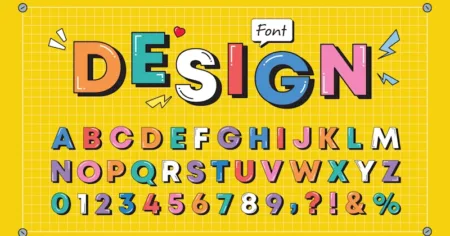
Typography is another key part of visual branding. The fonts you use communicate tone, personality, and professionalism.
Clean, modern fonts often suggest clarity and trust. These fonts work well for service businesses, professional consultants, and corporate brands. Meanwhile, handwritten or decorative fonts may feel more creative, personal, or playful, making them better suited for boutique brands, artists, or event companies.
Although creative fonts can be attractive, readability should always come first. If visitors struggle to read your content, they are more likely to leave your website quickly. This can hurt both user experience and search engine rankings.
For this reason, it is best to limit your brand to two or three font styles. Usually, one font works well for headings, while another supports body text. This creates balance, improves readability, and keeps your design professional.
Consistency Builds Recognition
Brand consistency helps customers recognize your business faster. When your website, Facebook page, brochures, business cards, and advertisements all use the same colors and typography, your business becomes easier to remember.
This consistency creates trust. People often feel more comfortable working with businesses that appear polished, organized, and professional.
Inconsistent branding, however, can create confusion. If your website uses one style but your social media uses another, customers may question whether they are dealing with the same company.
Strong branding helps eliminate that confusion and creates a smoother customer journey.
Better User Experience Supports SEO
Good typography and strong design do more than improve appearance—they also support SEO and website performance.
Search engines like Google pay attention to user behavior. If visitors stay longer on your website, read more content, and interact with multiple pages, those are positive signals.
Clear font hierarchy helps visitors scan information quickly. Headlines, subheadings, bullet points, and properly spaced paragraphs improve readability and keep users engaged.
Likewise, strong color contrast helps visitors read content easily, especially on mobile devices. Poor readability often increases bounce rates, while clean design encourages visitors to stay longer.
Because of this, visual branding directly supports both usability and organic search performance.
Focus on Brand Identity, Not Trends
Many businesses make the mistake of chasing design trends instead of building a lasting brand identity. While trends can be useful for inspiration, your branding should reflect your business values, goals, and target audience first.
A timeless design will serve your business far better than a trendy design that quickly feels outdated.
Ask yourself:
- What feeling should customers have when they see your brand?
- What type of customer are you trying to attract?
- Does your design reflect professionalism, creativity, luxury, or approachability?
The answers to these questions will help guide better branding decisions.
Final Thoughts
Colors and typography are powerful tools that shape how customers see your business. They influence trust, improve recognition, and support a better user experience across every platform.
When used correctly, strong visual branding helps your business stand out, look professional, and create lasting connections with customers. Rather than following every new design trend, focus on consistency, clarity, and a style that truly reflects your brand.
A well-designed brand does more than look good—it helps your business grow.